Sweeteners · 7 min read
Monk fruit sweetener: what it is and what regulators say
Where it comes from, why it’s so sweet, what US and European regulators have said, and how we use it.
By the Romeé teamUpdated 5 sources
On this page
The quick version
- Monk fruit sweetener comes from Siraitia grosvenorii, a plant native to southern China. Its extract is 100 to 250 times sweeter than sugar.
- The FDA has not questioned the GRAS notices it received for monk fruit extract under their intended uses.
- In 2019, Europe’s EFSA said the data were insufficient to conclude on its safety as a food additive and asked for longer-term studies.
- Some tabletop “monk fruit” products are blends. Romeé contains no erythritol and no artificial sweeteners.
The short answer
Monk fruit sweetener comes from the fruit of Siraitia grosvenorii, also called luo han guo, a plant native to southern China. Extracts of the fruit are 100 to 250 times sweeter than sugar.[1]
In the US, the FDA has received GRAS notices for monk fruit extract and has not questioned them. In Europe, food safety regulators said in 2019 that they didn’t have enough data to reach a conclusion.[1, 2]
What monk fruit sweetener is
The sweetness comes from compounds called mogrosides, and mogroside V is the main one in monk fruit extract.[2] Because the extract is so intense, a tiny amount does the work of a lot of sugar.
That intensity is also why many tabletop products sold as monk fruit sweetener are blends. Ingredients are listed in order of weight, so if erythritol or sugar comes first, that’s mostly what’s in the bag.
Is monk fruit safe?
Regulators in the US and Europe have taken different positions.
United States. GRAS stands for “generally recognized as safe,” a category in US food law.[3] Companies can notify the FDA of their conclusion that an ingredient is GRAS for a specific use. For monk fruit extract, the FDA says it “has not questioned the notifiers’ GRAS conclusions” under the intended conditions of use.[1]
European Union. In 2019, the European Food Safety Authority reviewed monk fruit extract as a proposed new food additive. It concluded that the toxicity data were insufficient to conclude on the safety of that use. It pointed to effects seen in one 90-day rat study that it couldn’t rule out as adverse, and said longer-term studies would be needed.[2]
Those positions aren’t as far apart as they sound. The FDA didn’t question the companies’ safety conclusions for their intended uses. EFSA said the evidence it received wasn’t complete enough to decide. Neither agency concluded that monk fruit extract is harmful to people. They differ on whether the evidence is complete.
What about erythritol?
Erythritol is a sugar alcohol, and it shows up in some monk fruit blends. Studies have reported possible cardiovascular effects related to erythritol. The FDA reviewed that research and said it did not establish a causal link between consuming erythritol and the observed effects, and that it continues to monitor the ingredient.[1]
Romeé doesn’t contain erythritol or any other sugar alcohol.
Monk fruit vs other sweeteners
| Sweetener | Sweetness vs table sugar | In Romeé? |
|---|---|---|
| Monk fruit extract | 100 to 250 times | Yes, organic |
| Steviol glycosides (stevia) | 200 to 400 times | No |
| Aspartame | 200 times | No |
| Acesulfame potassium | 200 times | No |
| Sucralose | 600 times | No |
| Agave syrup | A sugar, counted as added sugar | Yes, organic |
Stevia and monk fruit are the two plant-derived options. The FDA describes steviol glycosides as natural constituents of the leaves of Stevia rebaudiana, and has not questioned GRAS notices for high-purity stevia sweeteners either.[1] Between the two, preference mostly comes down to taste.
Why we use monk fruit and agave
We wanted real sweetness without artificial sweeteners and without a sugary can. Monk fruit extract adds sweetness without adding sugar. Organic agave syrup, which counts as added sugar,[4] rounds out the taste. Each can has 5 g of total sugar, including 4 g of added sugar, which is 8% of the Daily Value.[5]
For the rest of the label, see what makes an energy drink clean.
From Romeé
Sweetened only with organic agave and organic monk fruit extract. 4 g of added sugar, no artificial sweeteners.
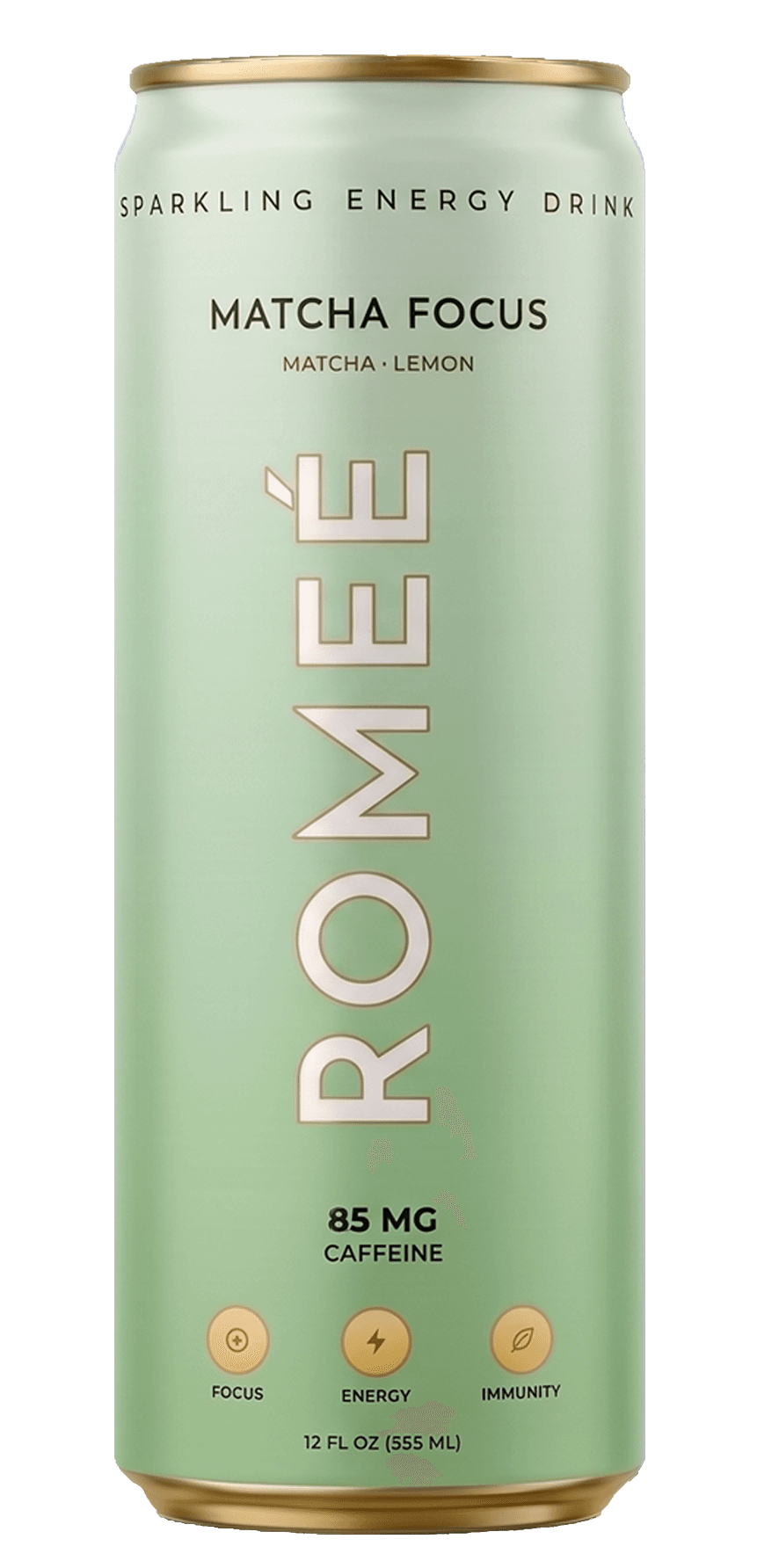
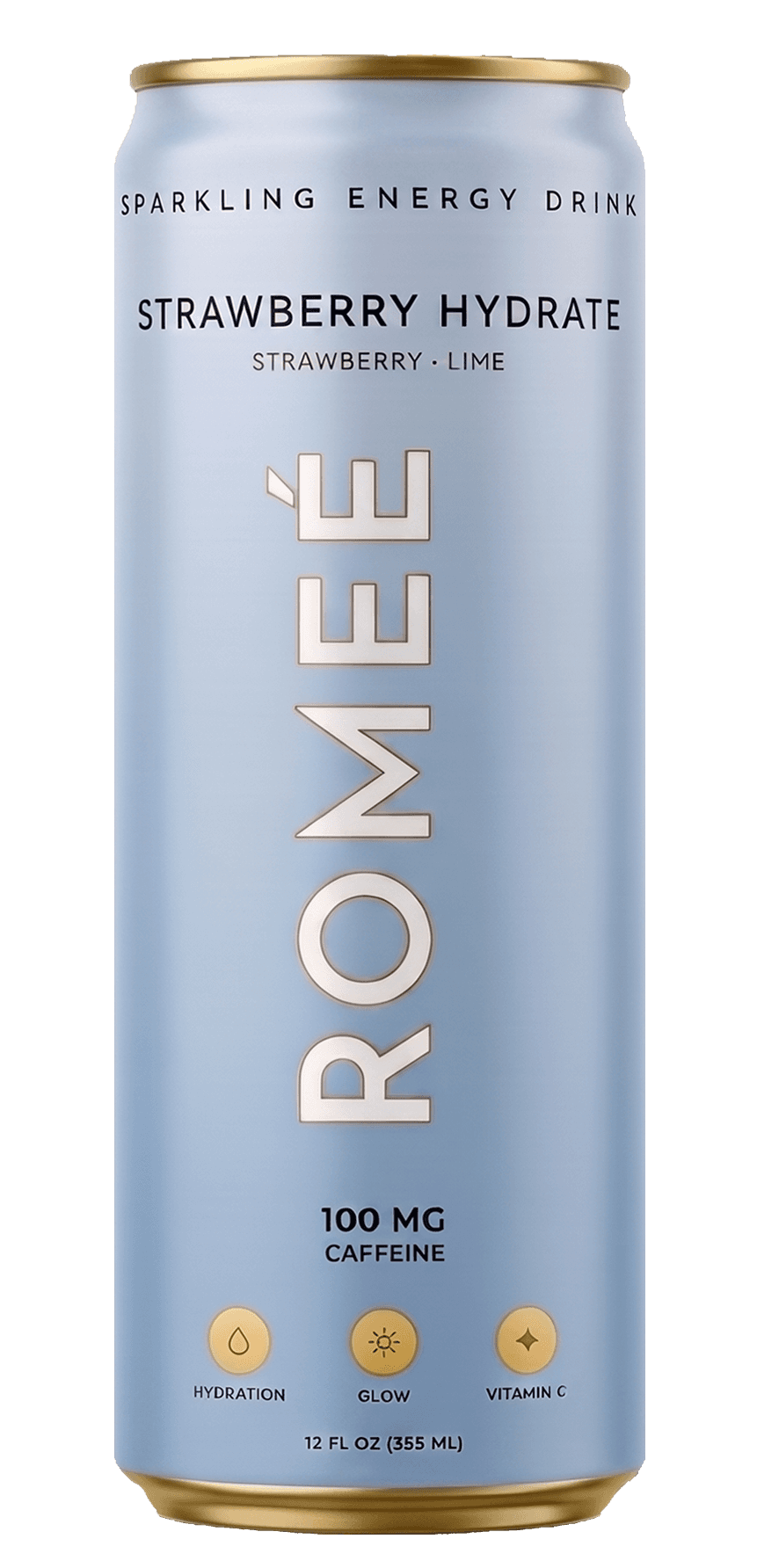
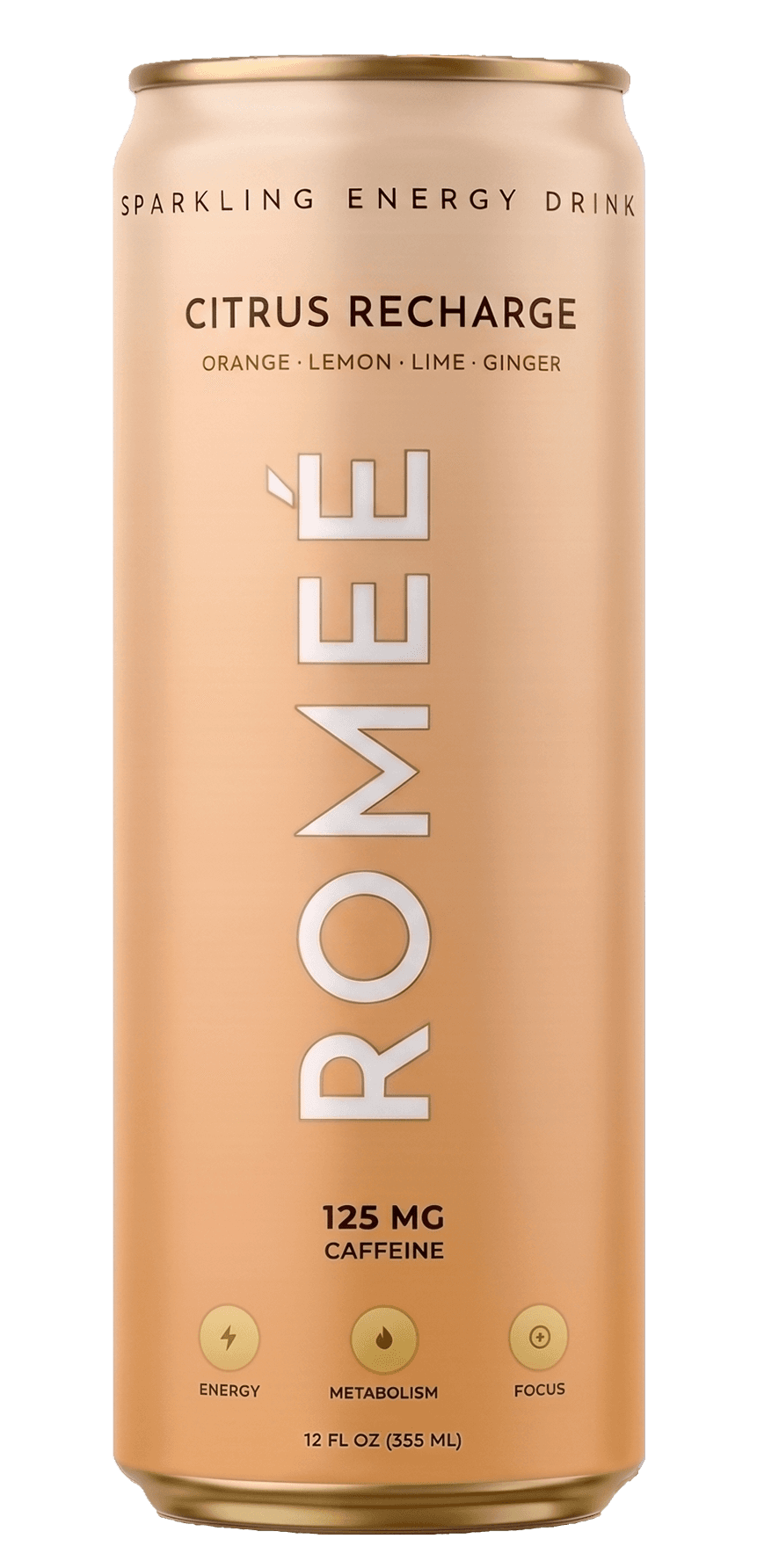
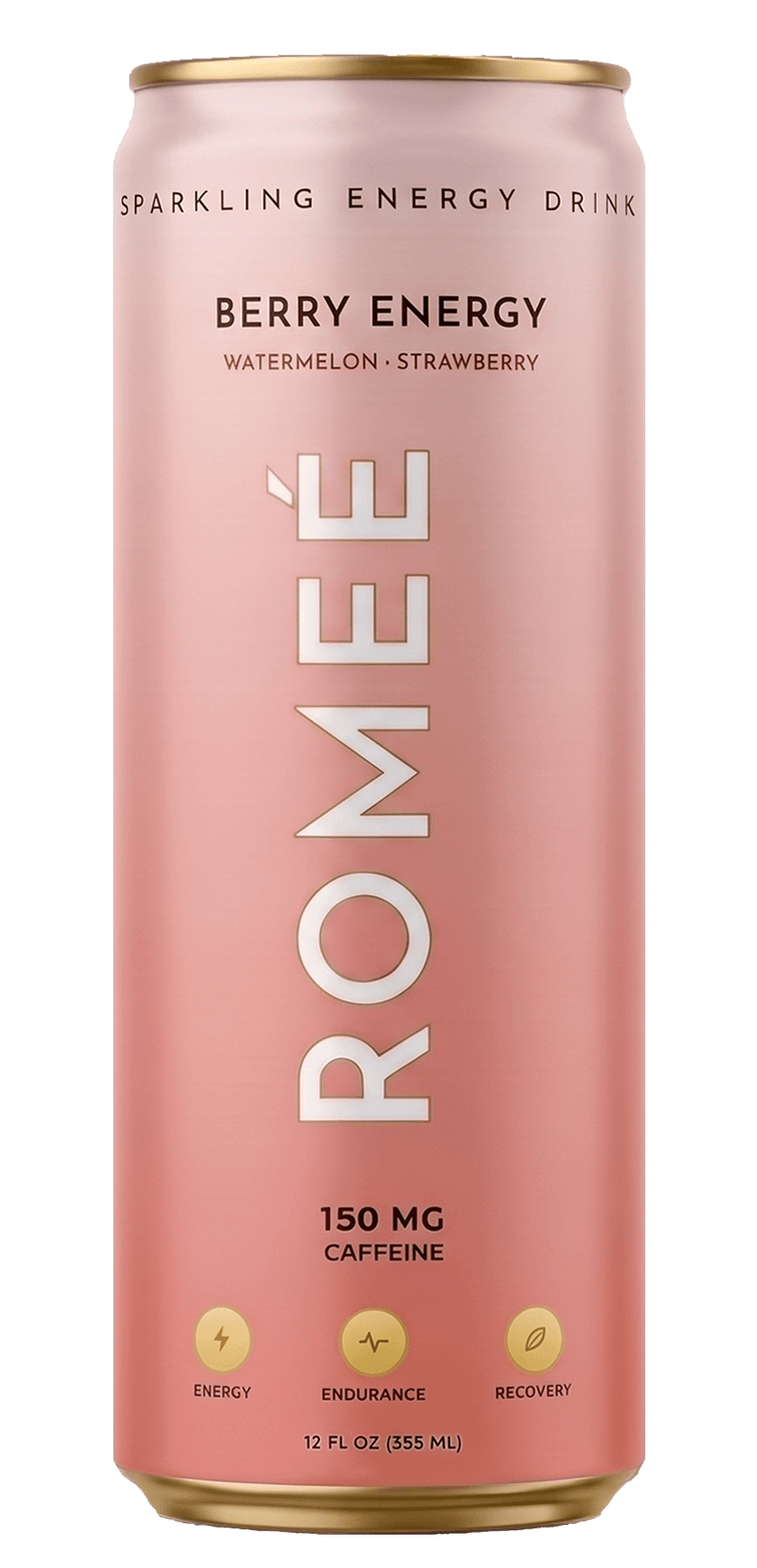
Pre-order now. Orders ship once our first production run is in hand, ahead of our Fall 2026 launch.
Frequently asked questions
What is monk fruit sweetener?
A sweetener made from the fruit of Siraitia grosvenorii, also called luo han guo, a plant native to southern China. The FDA says monk fruit extract is 100 to 250 times sweeter than sugar.
Is monk fruit safe?
In the US, the FDA has not questioned the GRAS notices it received for monk fruit extract under their intended uses. In 2019, Europe’s EFSA said the available data were insufficient to conclude on its safety as a food additive and asked for longer-term studies.
Is monk fruit better than stevia?
Both are plant-derived sweeteners that the FDA has not questioned under their intended uses. The FDA lists monk fruit extract at 100 to 250 times sweeter than sugar and steviol glycosides at 200 to 400 times. Which you prefer mostly comes down to taste.
Does Romeé contain erythritol?
No. Romeé is sweetened only with organic agave syrup and organic monk fruit extract. It contains no erythritol, no other sugar alcohols, and no artificial sweeteners.
How much sugar is in Romeé?
Each can has 5 g of total sugar, including 4 g of added sugar (8% of the Daily Value), and 25 to 30 calories depending on the flavor.
Sources
- 1.Aspartame and Other Sweeteners in Food. U.S. Food and Drug Administration. Content current as of 02/27/2025. Regulator
- 2.EFSA Panel on Food Additives and Flavourings. Safety of use of Monk fruit extract as a food additive in different food categories. EFSA Journal. 2019;17(12):5921. Regulator
- 3.Generally Recognized as Safe (GRAS). U.S. Food and Drug Administration. Regulator
- 4.Added Sugars on the Nutrition Facts Label. U.S. Food and Drug Administration. Content current as of 03/04/2026. Regulator
- 5.Daily Value on the Nutrition and Supplement Facts Labels. U.S. Food and Drug Administration. Content current as of 03/05/2024. Regulator
This article is for general education. It is not medical advice. If you are pregnant, nursing, under 18, sensitive to caffeine, or managing a health condition, talk to your doctor.