Caffeine · 6 min read
Natural vs synthetic caffeine: what’s the difference?
Natural and synthetic caffeine are the same molecule. What differs is where it comes from and what the label tells you.
By the Romeé teamUpdated 4 sources
On this page
The quick version
- Natural and synthetic caffeine are the same molecule, 1,3,7-trimethylxanthine. Your body handles them the same way.
- Labs can tell them apart by their carbon isotope fingerprint. One study used it to catch four drinks with undeclared synthetic caffeine.
- “Organic caffeine” means caffeine from a plant grown and handled under organic rules. It’s a standard for the source plant, and it doesn’t change the caffeine itself.
- For how you’ll feel, the number that matters most is still the milligrams.
The short answer
Natural and synthetic caffeine are the same molecule. Chemists can only tell them apart with specialized isotope testing, and your body handles them the same way. What differs is where the caffeine comes from, how it’s made, and how it’s labeled.
One molecule, two supply chains
Caffeine is a compound called 1,3,7-trimethylxanthine. Plants make it. It’s in coffee beans, tea leaves, guaraná and yerba maté, which are exactly the kinds of natural samples scientists used in the study below.[1]
Natural caffeine is extracted from one of those plants. Synthetic caffeine is manufactured from chemical starting materials instead of grown. Once purified, the two are chemically identical.
How scientists tell them apart
When two molecules match, labs look at the atoms inside them. Carbon comes in a common light form and a slightly heavier form, carbon-13. The ratio between the two differs with the carbon’s origin, so caffeine made by a plant and caffeine made from industrial starting materials carry different fingerprints.
In a 2012 study, researchers measured that fingerprint in 42 natural caffeine samples and 20 synthetic ones. Natural caffeine scored between −25 and −32 on the scale chemists use (δ¹³C, in parts per thousand). Synthetic caffeine scored between −33 and −38. The gap was clear enough to sort drinks.[1]
The same study found four products containing synthetic caffeine their labels didn’t declare.[1] So a “natural caffeine” label can be checked in a lab, and some products have failed that check.
Does natural caffeine work better?
There’s no good evidence that it does, and it would be surprising if there were, since it’s the identical compound. How caffeine feels depends on the dose, how quickly you drink it, what else is in the drink, and your own metabolism, which varies a lot from person to person.[2]
You’ll see claims that natural caffeine gives a “smoother” lift or “no crash.” We haven’t found solid human research showing that for the caffeine itself. Whole plants are a different story. A cup of tea contains other compounds too, including L-theanine, which is why we cover L-theanine and caffeine on its own.
What “organic caffeine” means
Organic caffeine is caffeine from a plant grown and handled under organic rules. In the US that’s the USDA National Organic Program, the same system behind the organic seal. Its labeling rules set how much of a product must be organic: at least 95% of ingredients, not counting water and salt, to be called “organic,” and at least 70% to say “made with organic.”[3]
Synthetic caffeine isn’t grown on a farm, so it can’t be organic. That means “organic caffeine” on a label also tells you the caffeine came from a plant.
We chose organic caffeine because we care how the source plants are farmed, and because a named, organic source is traceable.
What is green coffee bean caffeine?
Green coffee beans are coffee beans before roasting. “Caffeine from green coffee bean” means the caffeine was extracted from those raw beans rather than made in a factory. It’s the same caffeine molecule you’d get from a roasted, brewed cup.
Three of our four flavors use it: Citrus Recharge, Berry Energy and Strawberry Hydrate. Matcha Focus gets its caffeine from organic green tea.
How to read caffeine on a label
- “Caffeine” on its own: the source isn’t stated. It could be natural or synthetic.
- “Caffeine from green tea” or “from green coffee bean”: a natural source, named.
- Caffeine marked organic: a natural source grown and handled under organic rules.
- The milligrams: the part that matters most for how you’ll feel. The FDA cites up to 400 mg a day as an amount not generally associated with negative effects for most healthy adults.[4] Our caffeine guide has the full breakdown.
From Romeé
Organic caffeine from green coffee beans and green tea, with the milligrams on every can.
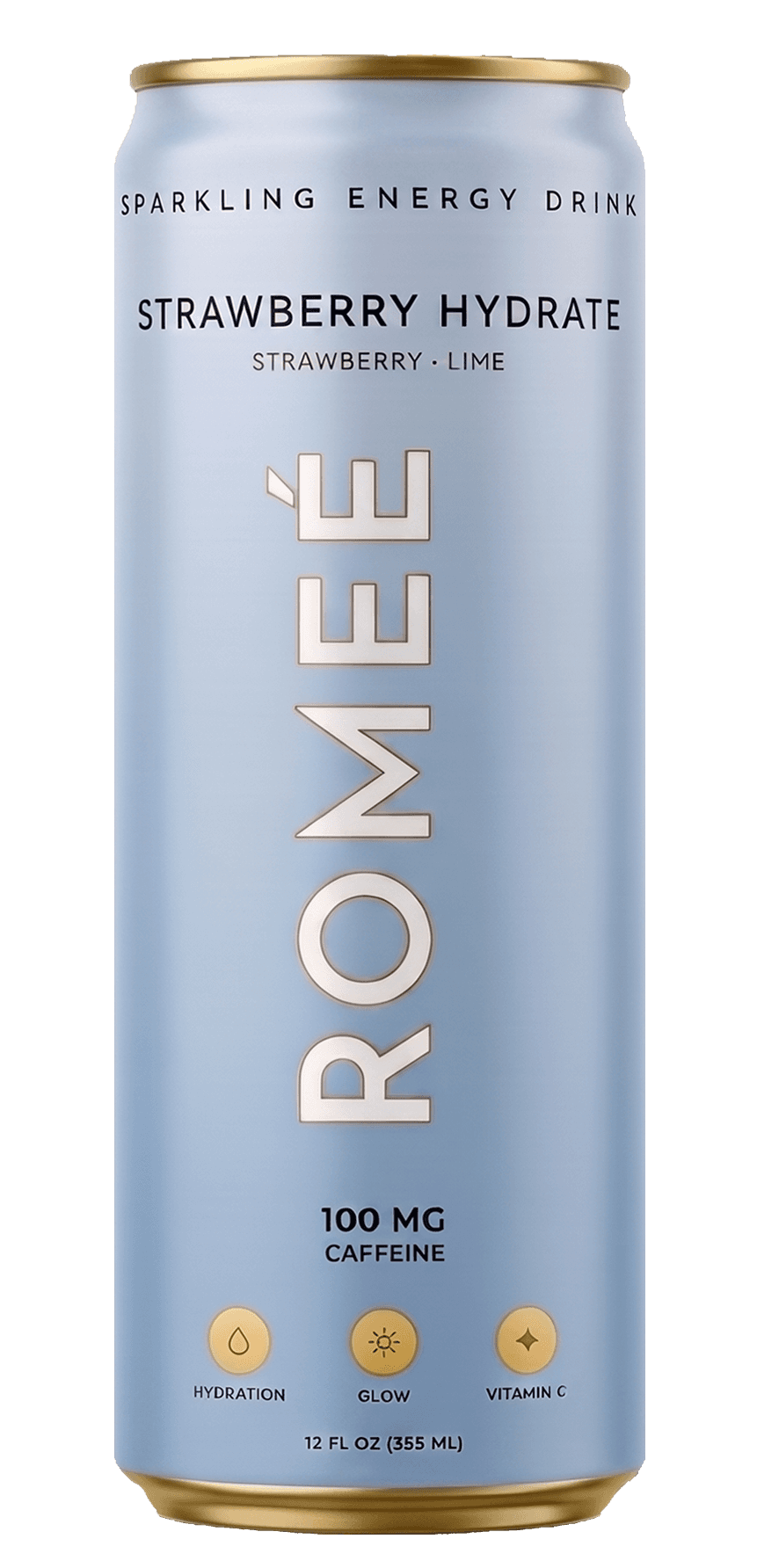
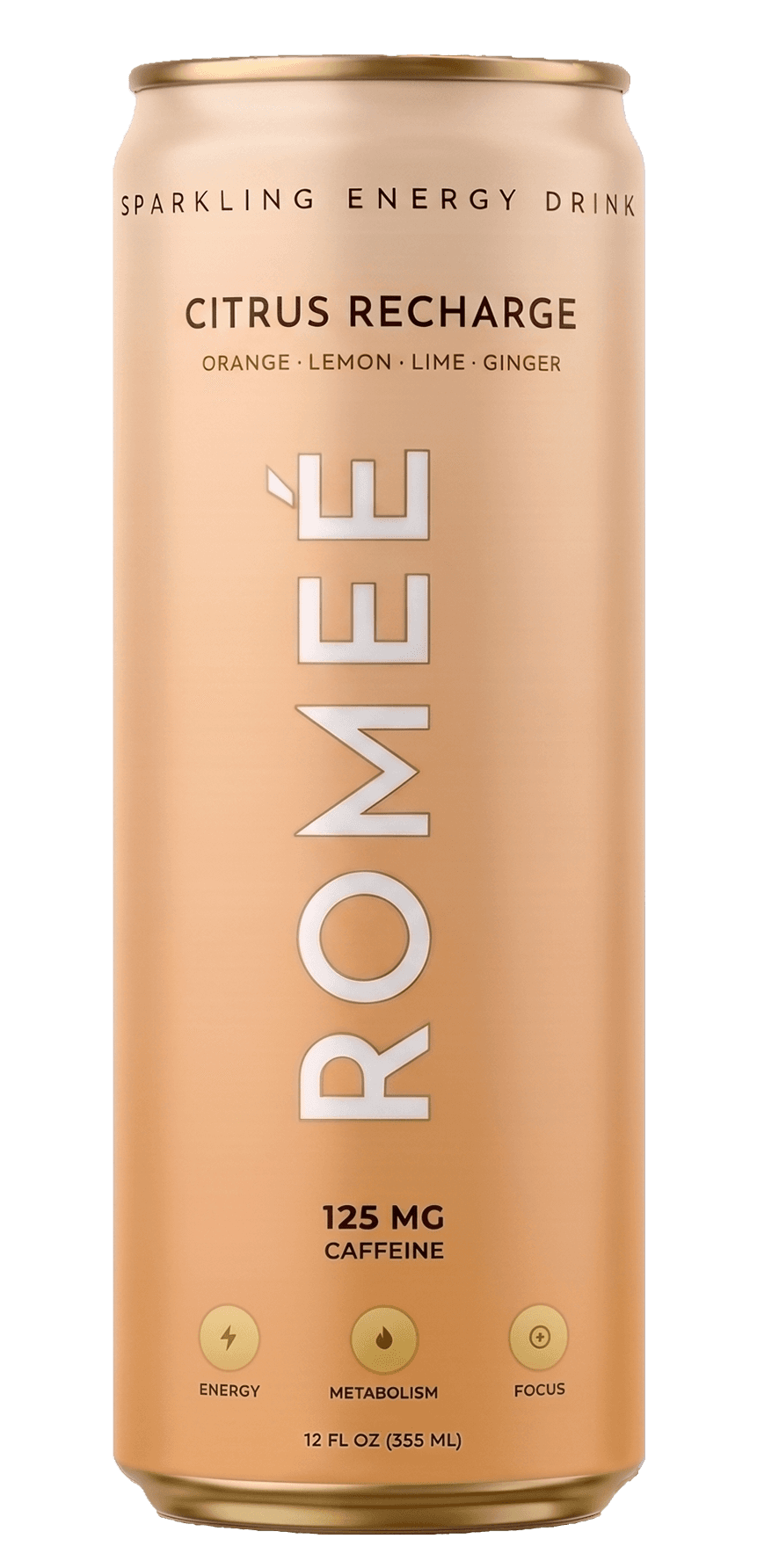
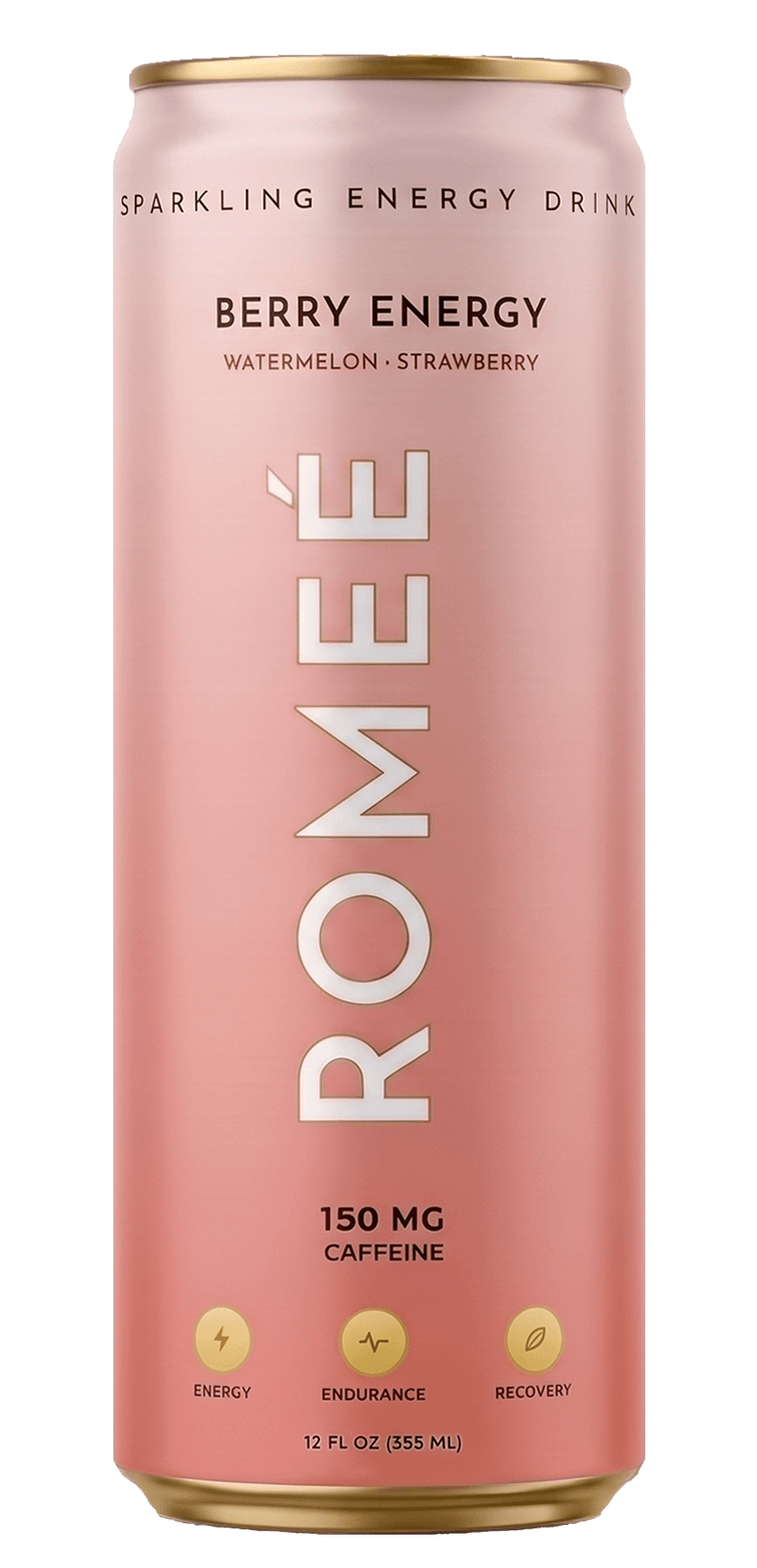
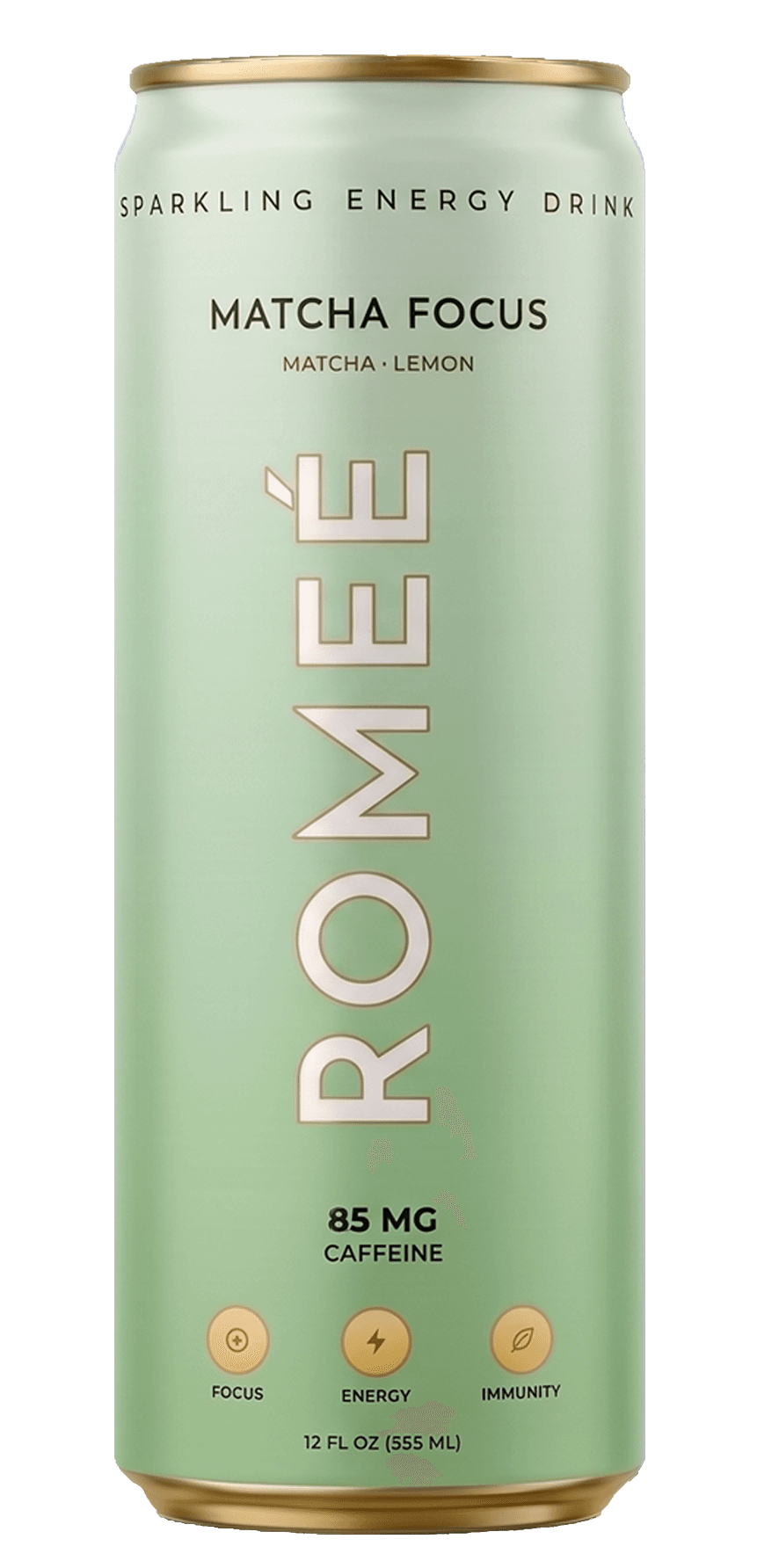
Pre-order now. Orders ship once our first production run is in hand, ahead of our Fall 2026 launch.
Frequently asked questions
Is natural caffeine better than synthetic caffeine?
They’re the same molecule, so there’s no good evidence that one works better in the body. The differences are the source, how it’s made, and how it’s labeled. The dose matters far more than the origin.
What is organic caffeine?
Caffeine that comes from a plant grown and handled under organic rules, such as organic green coffee beans or organic green tea. Synthetic caffeine isn’t grown, so it can’t be organic.
Is synthetic caffeine bad for you?
Synthetic caffeine is chemically identical to natural caffeine. What matters is how much you have: the FDA cites up to 400 mg a day as an amount not generally associated with negative effects for most healthy adults.
How can you tell if caffeine is natural or synthetic?
Check whether the label names a source, like green tea or green coffee bean. Labs can go further: a 2012 study used carbon isotope analysis to separate natural from synthetic caffeine and caught four mislabeled products.
What is green coffee bean caffeine?
Caffeine extracted from coffee beans before they’re roasted. It’s the same caffeine molecule found in a cup of brewed coffee.
Sources
- 1.Zhang L, Kujawinski DM, Federherr E, Schmidt TC, Jochmann MA. Caffeine in your drink: natural or synthetic?. Analytical Chemistry. 2012;84(6):2805-2810. Study
- 2.Nehlig A. Interindividual Differences in Caffeine Metabolism and Factors Driving Caffeine Consumption. Pharmacological Reviews. 2018;70(2):384-411. Review
- 3.7 CFR 205.301, Product composition (USDA National Organic Program). Electronic Code of Federal Regulations. Regulation
- 4.Spilling the Beans: How Much Caffeine is Too Much?. U.S. Food and Drug Administration. Consumer Update, content current as of 08/28/2024. Regulator
This article is for general education. It is not medical advice. If you are pregnant, nursing, under 18, sensitive to caffeine, or managing a health condition, talk to your doctor.