Label reading · 7 min read
What is a clean energy drink?
“Clean” isn’t a regulated word, so any brand can print it. A few label checks tell you whether it means anything.
By the Romeé teamUpdated 6 sources
On this page
The quick version
- There’s no federal definition of “clean” on food labels, so judge a drink by its label.
- Four checks tell you most of what matters: caffeine in milligrams, sweeteners by name, the caffeine source, and what “organic” covers.
- “Organic” and “healthy” do have rules. “Healthy” is an FDA-regulated nutrient content claim.
- Clean doesn’t make caffeine risk-free. The FDA cites 400 mg a day as an amount not generally associated with negative effects for most adults.
The short answer
A clean energy drink is one whose label you can read and fully check. The caffeine is printed in milligrams, every sweetener is named, and there are no artificial sweeteners, colors or flavors. There’s no legal definition, so that’s the working one.
There’s no federal definition of “clean” on food labels. The FDA hasn’t even formally defined “natural.” Its long-standing policy is that “natural” means nothing artificial or synthetic has been added that you wouldn’t normally expect to find in the food.[1] So when a can says “clean,” that’s marketing. The facts are in the ingredient list and the Nutrition Facts panel.
Four things to check on any energy drink label
You can do all four in the store aisle in about thirty seconds.
1. Caffeine, in milligrams
The FDA’s own chart puts energy drinks anywhere from 41 to 246 mg of caffeine per 12 ounces.[2] A spread that wide makes the number more useful than any adjective on the can. The FDA also notes that most energy drinks sold in the US list their total caffeine on the label, so look for it.[2]
2. The sweeteners, by name
If you’d rather skip artificial sweeteners, scan the ingredient list for sucralose, acesulfame potassium and aspartame. Then find “Added Sugars” on the Nutrition Facts panel. The Daily Value is 50 grams, and the FDA’s rule of thumb is that 5% DV or less per serving is low and 20% DV or more is high.[3, 4]
3. Where the caffeine comes from
“Caffeine” on its own doesn’t tell you the source. Some brands name it, like “caffeine from green coffee bean” or “caffeine from green tea.” The molecule is the same either way, which we unpack in natural vs synthetic caffeine. What a named source gives you is traceability.
4. What “organic” covers
“Organic” is a regulated word. Under USDA rules, a product labeled “organic” must contain at least 95% organically produced ingredients by weight, not counting water and salt, and “made with organic” means at least 70%.[5] An asterisk beside one ingredient means that ingredient is organic.
How Romeé’s label compares
| What to check | In every Romeé can |
|---|---|
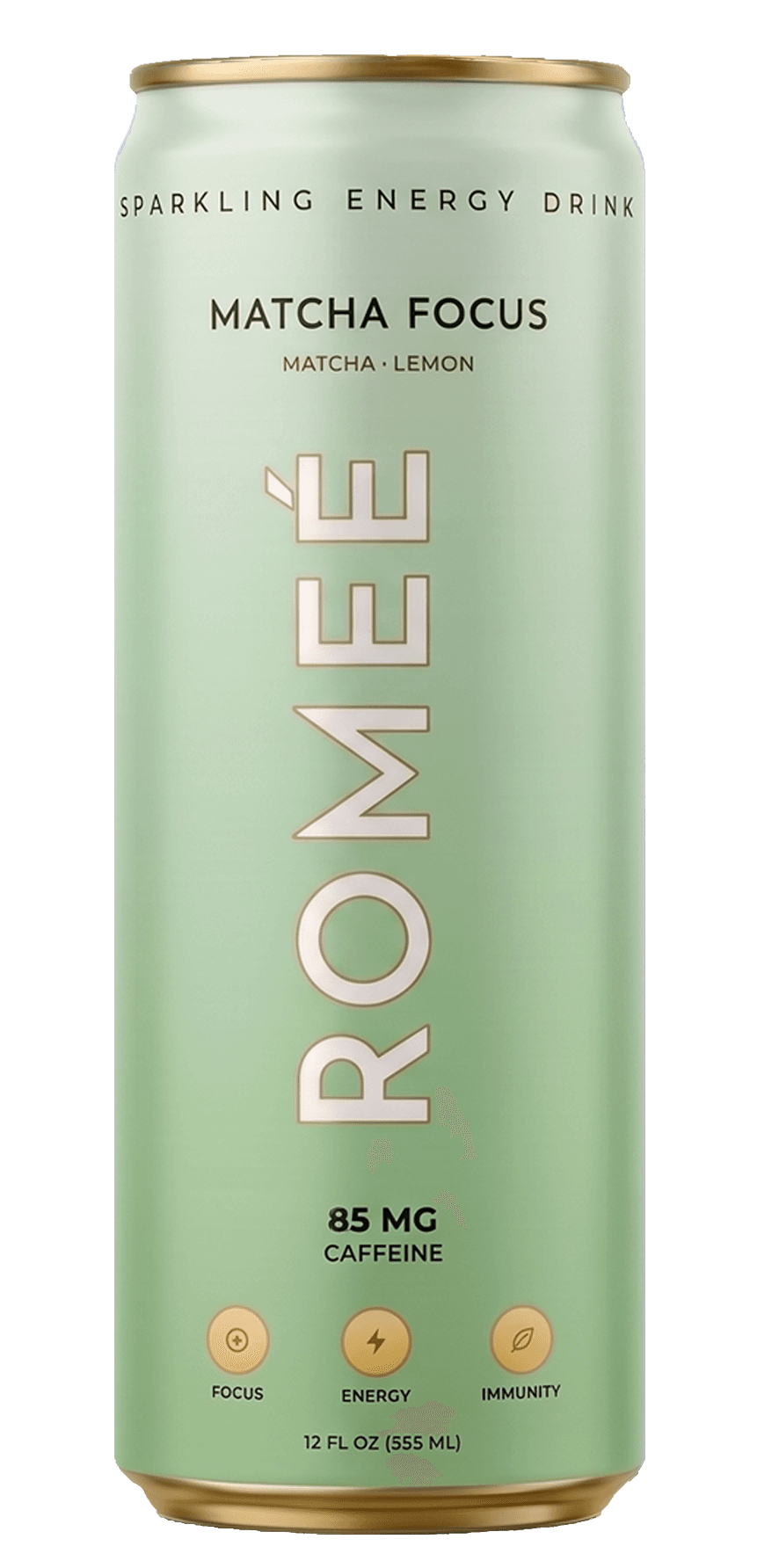
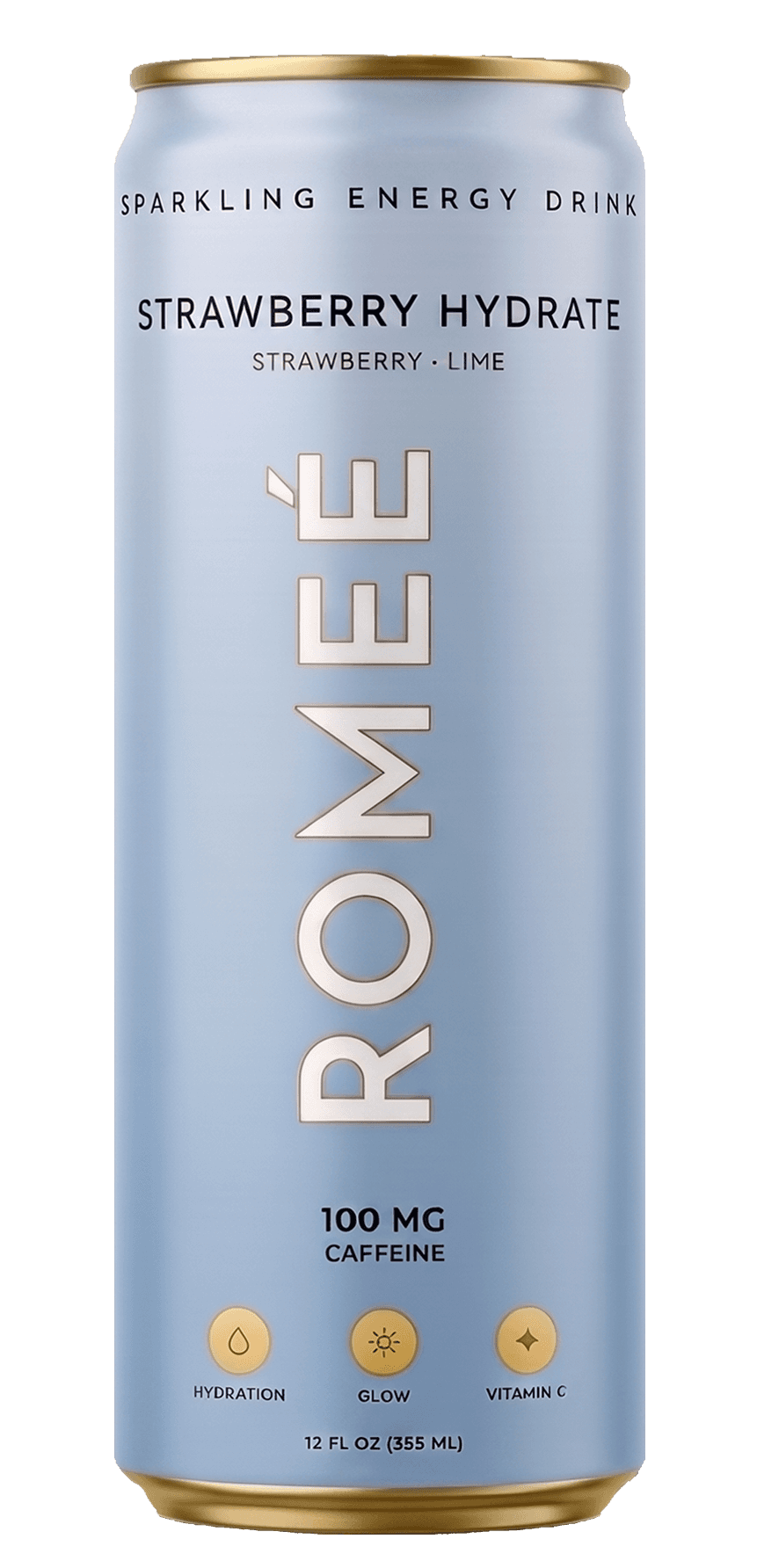
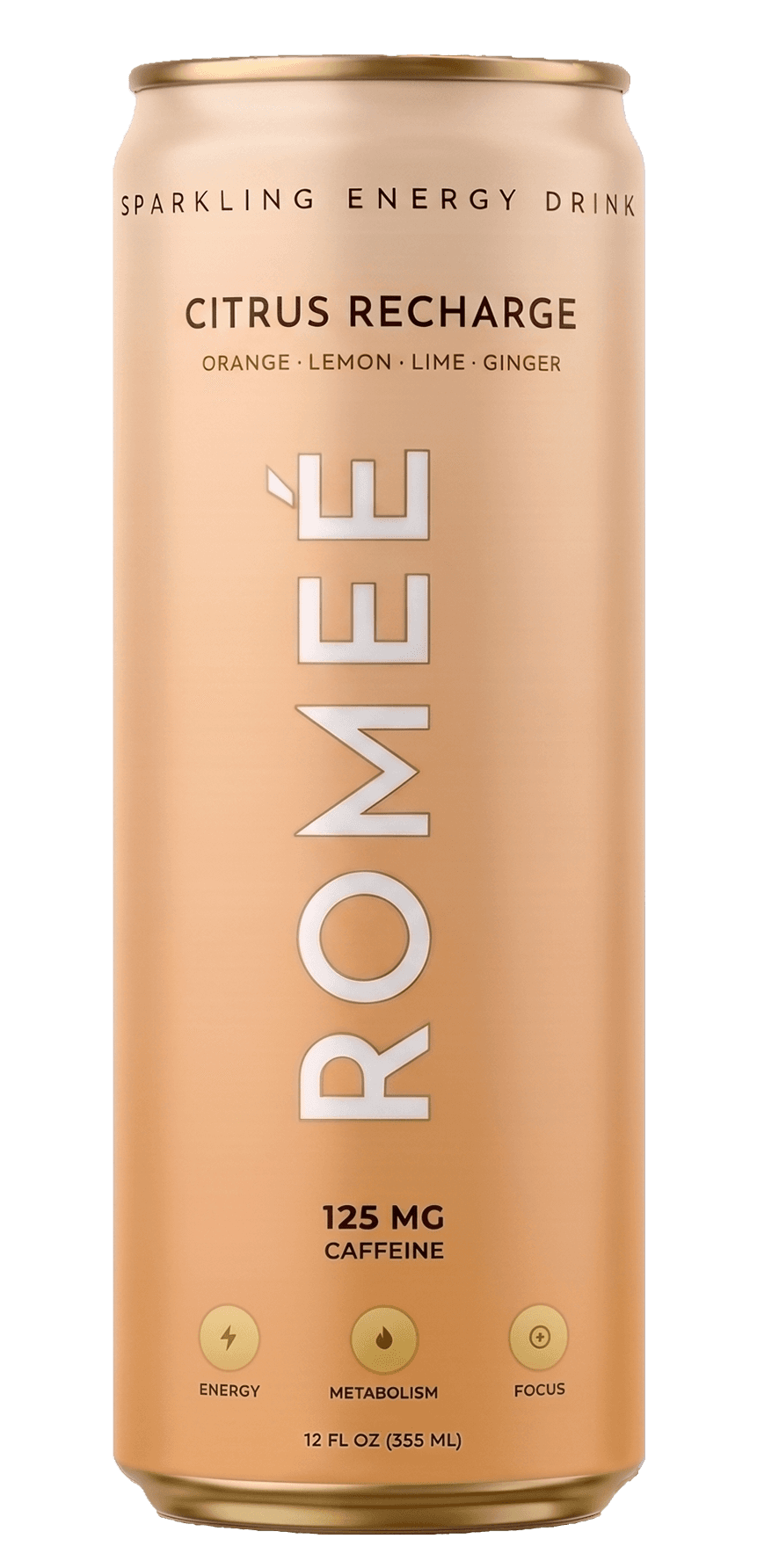
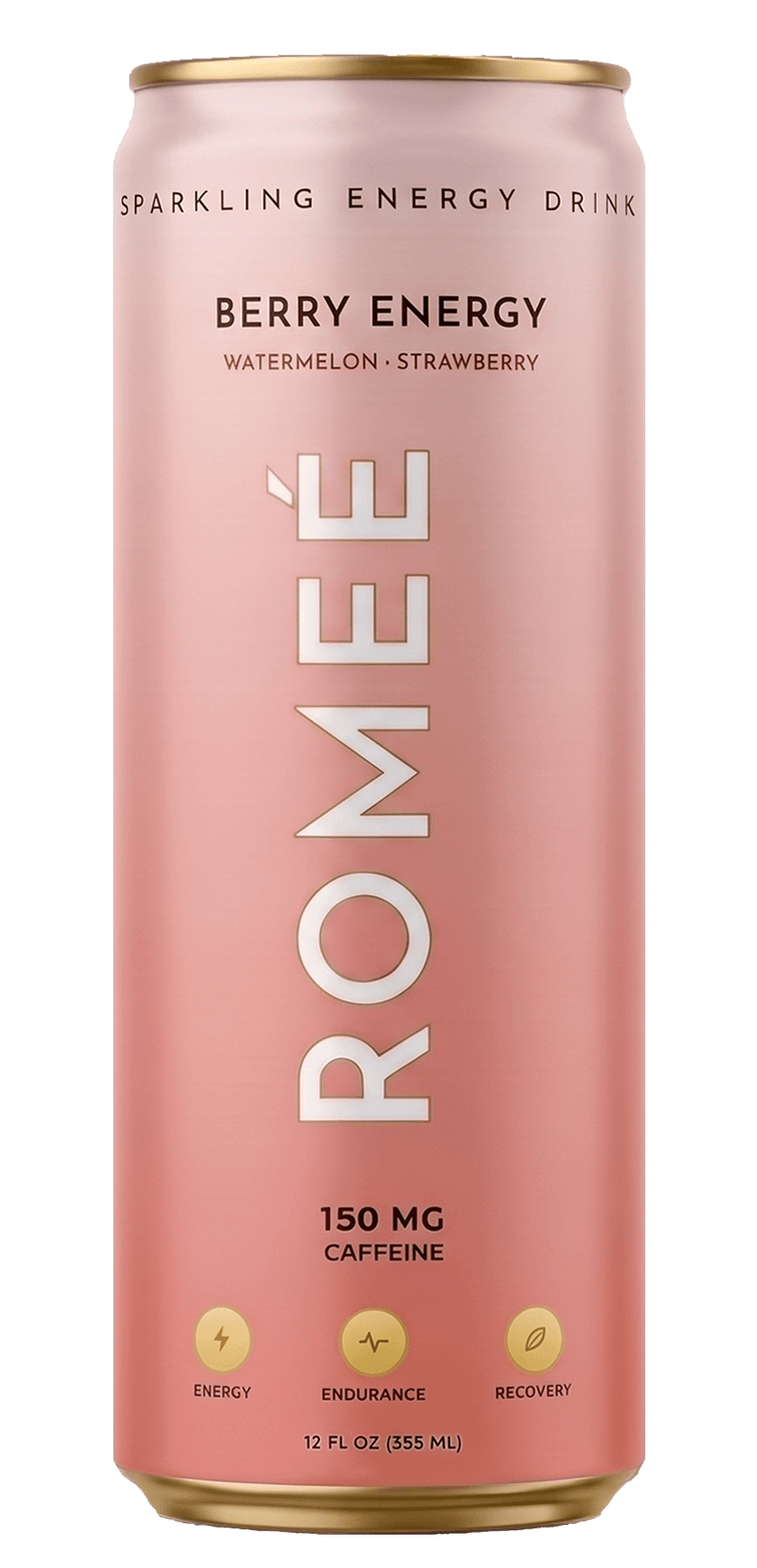
| Caffeine in milligrams | 85, 100, 125 or 150 mg depending on the flavor, printed on the can |
| Caffeine source | Organic green coffee bean, or organic green tea in Matcha Focus |
| Sweeteners | Organic agave syrup and organic monk fruit extract. No artificial sweeteners |
| Added sugar | 4 g added sugar (8% DV), 5 g total sugar |
| Calories | 25 to 30, depending on the flavor |
| Organic ingredients | Marked with an asterisk on every ingredient list |
| Vitamins | 100% of the Daily Value of B6, B12, folate and biotin, plus vitamin C from organic acerola |
The full ingredient list and Nutrition Facts for every flavor are on its product page. If a name stops you, like calcium L-5-methyltetrahydrofolate, our ingredient glossary explains it.
What “clean” doesn’t mean
It doesn’t make caffeine risk-free. Caffeine works the same way in a clean drink as in any other. The FDA cites 400 mg a day as an amount not generally associated with negative effects for most adults, and says medical experts advise against energy drinks for children and teens.[2] Our caffeine guide has the full numbers.
It doesn’t mean sugar-free. Romeé has 4 grams of added sugar per can, with organic agave syrup as the main sweetener. That’s 8% of the Daily Value.
It doesn’t mean “healthy.” “Healthy” is a regulated nutrient content claim. The FDA updated its criteria in December 2024, and they require food-group content plus limits on added sugars, saturated fat and sodium.[6]
Why we call Romeé clean
Because every part of it is on the label. The caffeine is printed in milligrams. The sweeteners are organic agave and organic monk fruit, with no artificial sweeteners. Organic ingredients are marked, and every flavor’s full ingredient list and Nutrition Facts are one click away.
From Romeé
Every line of our label, checkable. Four flavors, 85 to 150 mg of caffeine.
Pre-order now. Orders ship once our first production run is in hand, ahead of our Fall 2026 launch.
Frequently asked questions
Is there an official definition of a clean energy drink?
No. There’s no federal definition of “clean” on food labels in the US, and the FDA hasn’t formally defined “natural” either. Judge a “clean” drink by its label: caffeine in milligrams, named sweeteners, and clear ingredient amounts.
Are clean energy drinks healthy?
“Healthy” is a regulated nutrient content claim in the US. The FDA’s criteria cover food-group content and limits on added sugars, saturated fat and sodium, and a “clean” label doesn’t mean a drink meets them. Look at the caffeine, added sugar and ingredients instead.
What should I look for in a clean energy drink?
Four things: caffeine in milligrams, the sweeteners by name, the caffeine source, and what “organic” covers.
Do clean energy drinks have artificial sweeteners?
It depends on the brand, so check the ingredient list for sucralose, acesulfame potassium or aspartame. Romeé uses none. It’s sweetened with organic agave syrup and organic monk fruit extract.
How much caffeine is in a clean energy drink?
It varies widely. The FDA puts energy drinks at 41 to 246 mg of caffeine per 12 ounces. Romeé ranges from 85 mg in Matcha Focus to 150 mg in Berry Energy, printed on each can.
Sources
- 1.Use of the Term Natural on Food Labeling. U.S. Food and Drug Administration. Content current as of 10/22/2018. Regulator
- 2.Spilling the Beans: How Much Caffeine is Too Much?. U.S. Food and Drug Administration. Consumer Update, content current as of 08/28/2024. Regulator
- 3.Added Sugars on the Nutrition Facts Label. U.S. Food and Drug Administration. Content current as of 03/04/2026. Regulator
- 4.Daily Value on the Nutrition and Supplement Facts Labels. U.S. Food and Drug Administration. Content current as of 03/05/2024. Regulator
- 5.7 CFR 205.301, Product composition (USDA National Organic Program). Electronic Code of Federal Regulations. Regulation
- 6.Use of the “Healthy” Claim on Food Labeling. U.S. Food and Drug Administration. Content current as of 01/16/2025. Regulator
This article is for general education. It is not medical advice. If you are pregnant, nursing, under 18, sensitive to caffeine, or managing a health condition, talk to your doctor.